

The Importance of Personal Relationships in Yoga Training
Yoga is often seen as a solitary practice, a journey inward that focuses on the self. However, the importance of personal relationships in yoga training cannot be overstated. Building connections with instructors, fellow practitioners, and the broader yoga community can significantly enhance the experience and benefits of yoga. In this post, we will explore how these relationships contribute to personal growth, motivation, and a deeper understanding of yoga.
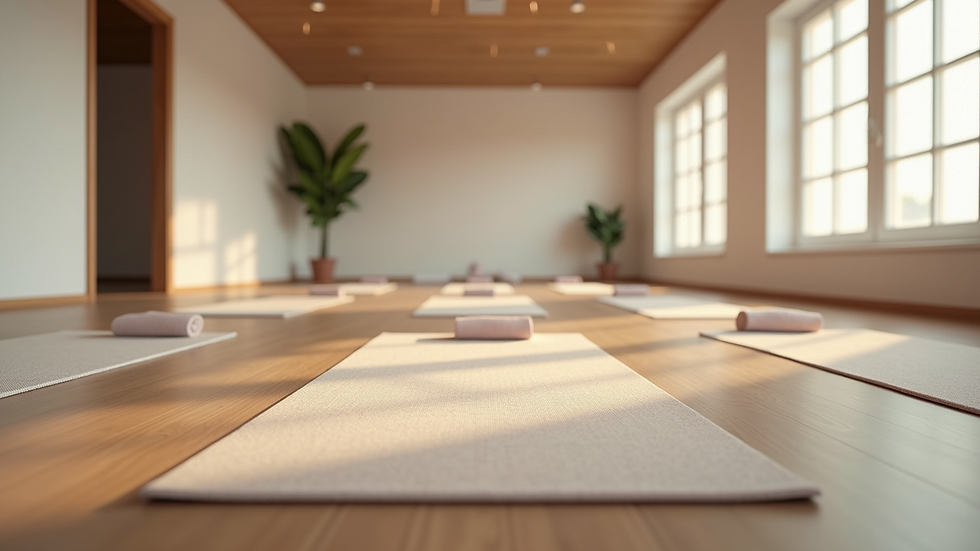
The Role of Community in Yoga
Building a Supportive Environment
One of the most significant advantages of practicing yoga in a community setting is the supportive environment it creates. When individuals come together to practice, they share their experiences, challenges, and triumphs. This communal aspect fosters a sense of belonging and encourages practitioners to push their limits.
Shared Experiences: Practicing alongside others allows individuals to share their journeys. This can lead to valuable insights and encouragement.
Accountability: Having a community can motivate individuals to attend classes regularly. Knowing that others are counting on you can be a powerful motivator.
Emotional Support: Yoga can bring up various emotions. Having a community to share these feelings with can provide comfort and understanding.
Learning from Each Other
In a yoga class, each participant brings their unique perspective and experiences. This diversity enriches the practice and allows individuals to learn from one another.
Different Techniques: Practitioners may discover new poses or modifications by observing others. This can enhance their practice and prevent stagnation.
Sharing Knowledge: Experienced yogis can offer tips and advice to beginners, creating a mentorship dynamic that benefits both parties.
Cultural Exchange: Yoga has roots in various cultures. Practicing with a diverse group can lead to discussions about different traditions and philosophies, deepening one’s understanding of yoga.
The Teacher-Student Relationship
Finding the Right Instructor
The relationship between a yoga teacher and their students is crucial for effective learning. A good instructor not only teaches poses but also inspires and guides their students on their yoga journey.
Personal Connection: A teacher who takes the time to understand their students’ needs can tailor their instruction accordingly. This personalized approach can lead to significant improvements in practice.
Encouragement and Feedback: Constructive feedback from a teacher can help students refine their techniques and build confidence. A supportive teacher can make all the difference in a student’s progress.
Creating a Safe Space: A skilled instructor fosters an environment where students feel safe to explore their limits and express themselves without judgment.
The Impact of Mentorship
Many yoga practitioners find that having a mentor in their yoga journey can be transformative. A mentor can provide guidance, support, and wisdom that enhances the learning experience.
Personal Growth: A mentor can help students navigate challenges, both on and off the mat. This guidance can lead to personal breakthroughs and growth.
Deepening Practice: Mentorship can encourage students to explore different aspects of yoga, such as philosophy, meditation, and anatomy, leading to a more holistic understanding of the practice.
Networking Opportunities: A mentor often has connections within the yoga community, which can open doors for workshops, retreats, and other opportunities for growth.
The Benefits of Group Classes
Enhanced Motivation
Practicing yoga in a group setting can significantly boost motivation. The energy of a group can inspire individuals to push themselves further than they might in a solo practice.
Collective Energy: The shared energy in a class can elevate the experience, making it more enjoyable and invigorating.
Friendly Competition: While yoga is not about competition, being around others can encourage individuals to challenge themselves and try new poses.
Celebrating Milestones: Group classes provide opportunities to celebrate achievements together, whether it’s mastering a challenging pose or completing a series of classes.
Building Lasting Friendships
Many practitioners find that the relationships they build in yoga classes extend beyond the mat. These friendships can provide support and camaraderie in various aspects of life.
Shared Interests: Practicing yoga together often leads to shared interests in health, wellness, and mindfulness, creating a strong bond.
Social Activities: Many yoga communities organize social events, workshops, and retreats, providing opportunities for practitioners to connect outside of class.
Support Systems: Friends made in yoga can become valuable support systems during challenging times, offering encouragement and understanding.
The Importance of Communication
Open Dialogue with Instructors
Effective communication between students and instructors is essential for a successful yoga experience. Students should feel comfortable asking questions and expressing their needs.
Clarifying Instructions: If a student is unsure about a pose or technique, they should feel empowered to ask for clarification. This ensures they practice safely and effectively.
Expressing Concerns: If a student has any physical limitations or concerns, communicating these to the instructor allows for modifications that can enhance their practice.
Feedback Loop: Instructors benefit from feedback as well. Understanding what works for students can help them improve their teaching methods.
Fostering Community Dialogue
Encouraging open dialogue within the yoga community can strengthen relationships and enhance the overall experience.
Group Discussions: Organizing discussions about yoga philosophy, wellness, and personal experiences can deepen connections among practitioners.
Feedback on Classes: Creating a space for students to provide feedback on classes can help instructors improve and tailor their offerings to meet the community's needs.
Conflict Resolution: Open communication can help address any conflicts or misunderstandings that may arise within the community, fostering a harmonious environment.
The Impact of Personal Relationships on Practice
Emotional Well-being
The relationships formed through yoga can have a profound impact on emotional well-being. A supportive community can help individuals navigate life's challenges with greater resilience.
Stress Reduction: Practicing in a supportive environment can reduce stress and anxiety, leading to improved mental health.
Increased Happiness: Building friendships through yoga can lead to increased feelings of happiness and fulfillment.
Sense of Belonging: Being part of a community provides a sense of belonging, which is essential for emotional well-being.
Personal Growth and Development
The connections made in yoga can lead to significant personal growth. Engaging with others can challenge individuals to step outside their comfort zones and explore new aspects of themselves.
Encouragement to Explore: Friends and mentors can encourage individuals to try new styles of yoga or attend workshops, broadening their horizons.
Accountability for Goals: Sharing personal goals with others can create a sense of accountability, motivating individuals to stay committed to their practice.
Reflection and Insight: Engaging in discussions with others can provide new perspectives and insights, leading to deeper self-reflection and personal development.
Conclusion
Personal relationships play a vital role in enhancing the yoga experience. From the supportive community to the guidance of instructors, these connections foster growth, motivation, and emotional well-being. By embracing the importance of relationships in yoga training, practitioners can deepen their practice and enrich their lives.
As you continue your yoga journey, consider how you can cultivate and nurture these relationships. Whether it’s joining a new class, reaching out to a fellow practitioner, or seeking mentorship, the connections you build can transform your practice and your life.

Comments